100 Years of CITIZEN History in 15 Milestones

In 1924, the Japanese giant Citizen launched its first watch. Since then, a century of innovations has followed.

How much do we really know about Citizen? We often focus almost exclusively on Swiss watch brands, overlooking the rich tradition and history that also exists on the other side of the world. The case of Citizen undoubtedly deserves our attention. And I must admit—with some embarrassment—that after 25 years of writing about watches, my knowledge of this Japanese brand is still quite limited.
In an initial attempt to explore Citizen’s 101-year journey, I discovered a long track record of revolutionary innovations that significantly influenced watchmaking history. It wouldn’t be an exaggeration to say that Citizen was the first to experiment with many things we now take for granted in horology—like using titanium for watch cases, introducing Eco-Drive technology, or harnessing solar power to charge quartz watches.
Below is a summary of Citizen’s century-long journey through 15 key milestones. Of course, this merely scratches the surface—there’s far more depth to this story, which we’ll revisit in future, more detailed articles.

1918

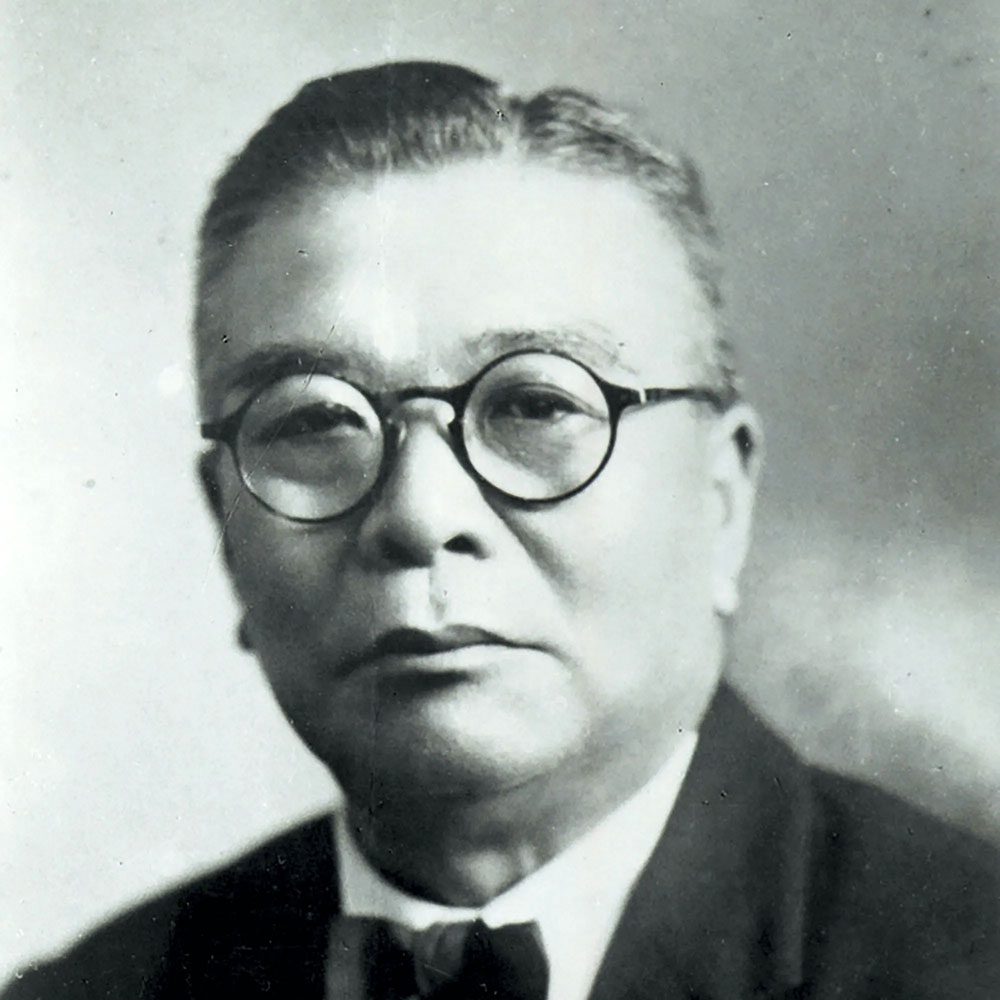
Citizen’s story begins when Kamekichi Yamazaki founded the Shokosha Watch Research Institute in Tokyo, with the goal of developing Japanese-made watches.

1924

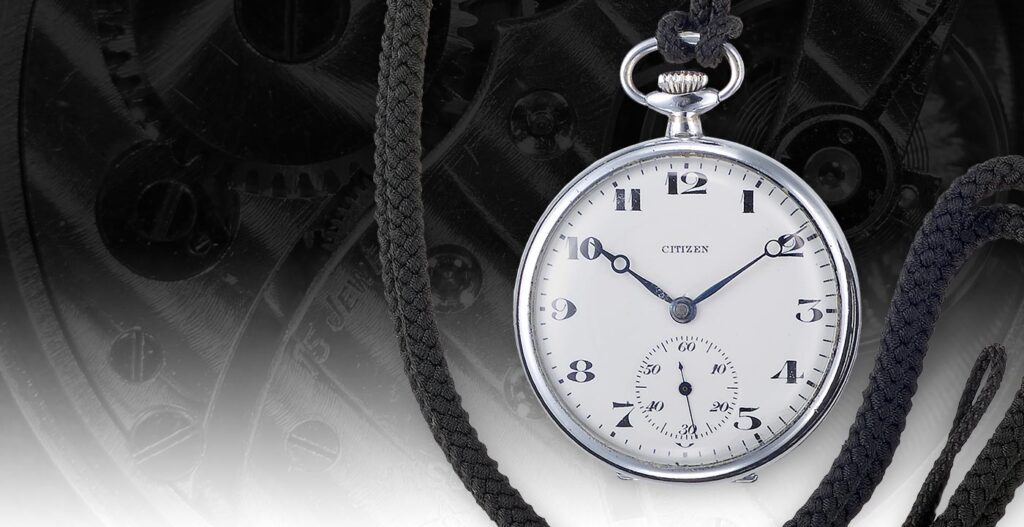
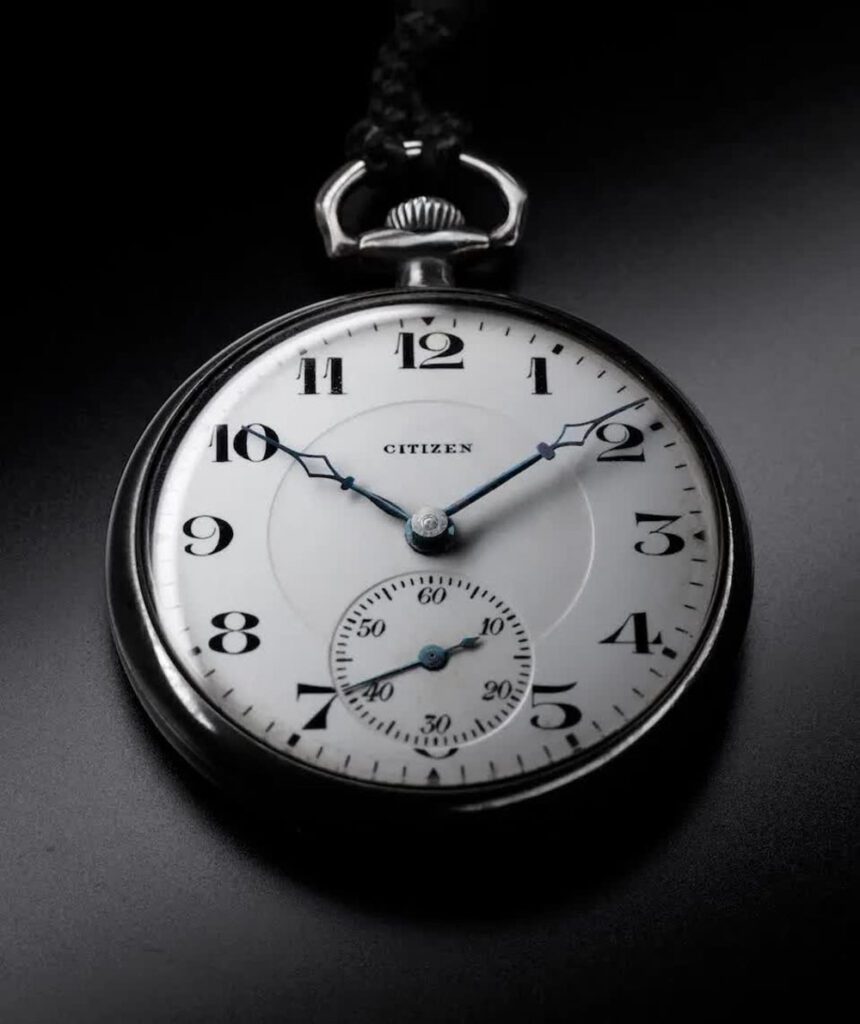
Citizen’s first watch was a hand-wound pocket watch with a white dial and large Arabic numerals, secured not by a chain but by a thick braided cord.

1930

The name Citizen was suggested by Count Shinpei Goto, the then-mayor of Tokyo. The idea was to create high-quality timepieces accessible to all citizens. The Citizen Watch Company was officially established the same year.

1931

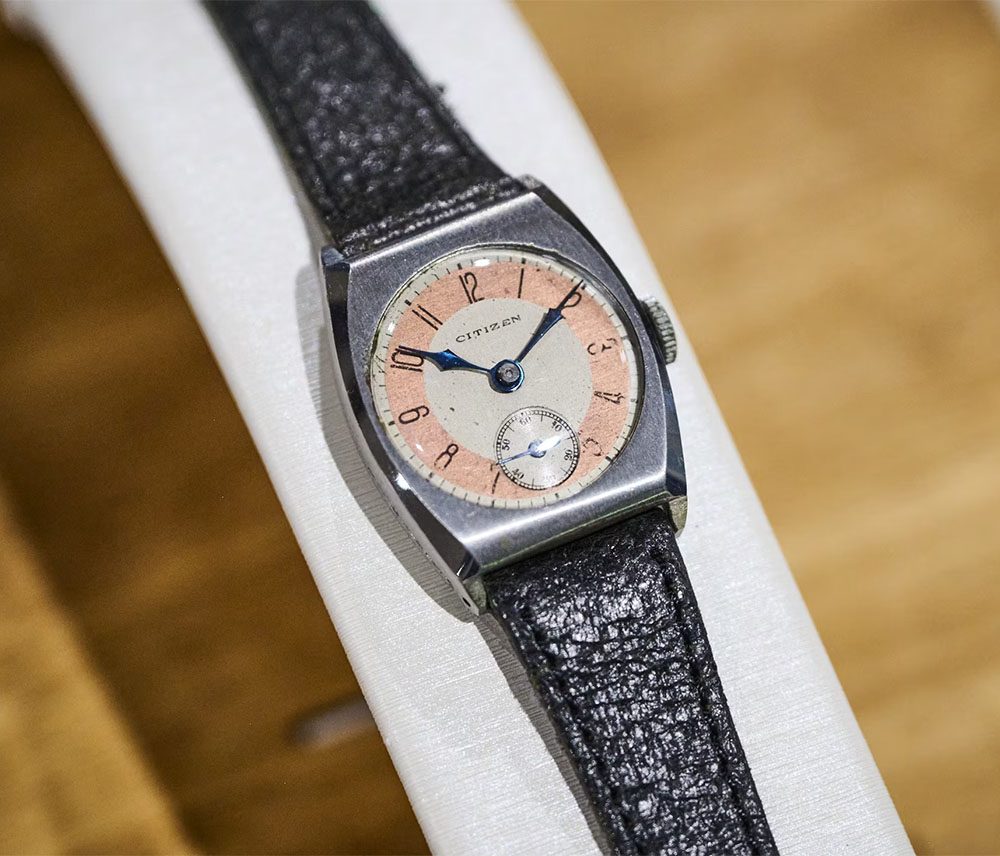
Citizen’s first wristwatch, the Citizen Type F, was launched. It was hand-wound and remained in production until 1957.

1966

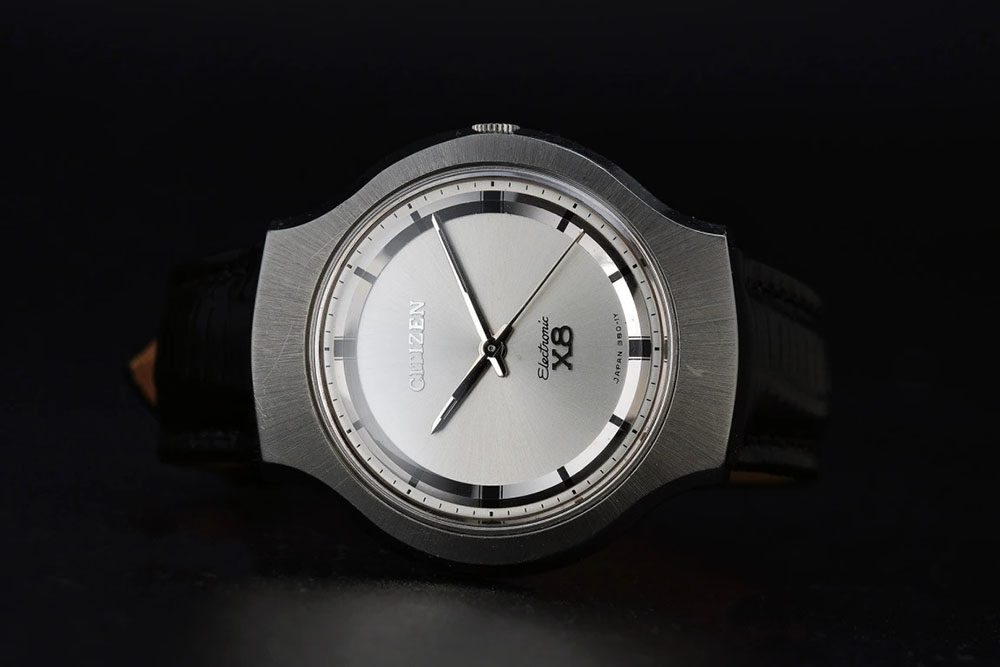
Citizen introduced Japan’s first electronic men’s wristwatch, the Citizen X8, which could operate continuously for a full year—an impressive feat compared to hand-wound watches requiring near-daily winding.

1970

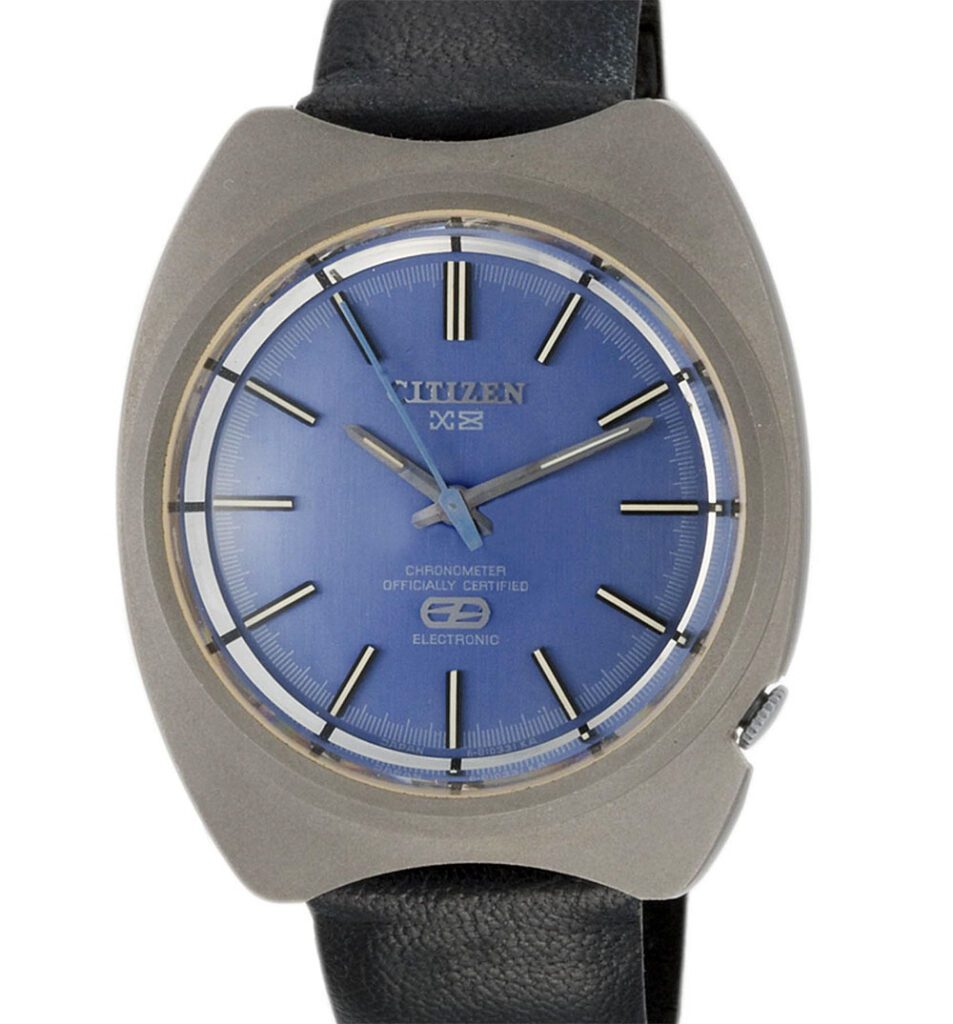
The world’s first titanium watch was the Citizen X8 Chronometer, with a case made of 99.6% pure titanium—an ultra-modern material at the time, popularized by the Apollo 11 moon landing. Only 2,000 pieces were produced, making it a sought-after collector’s item today.

1976

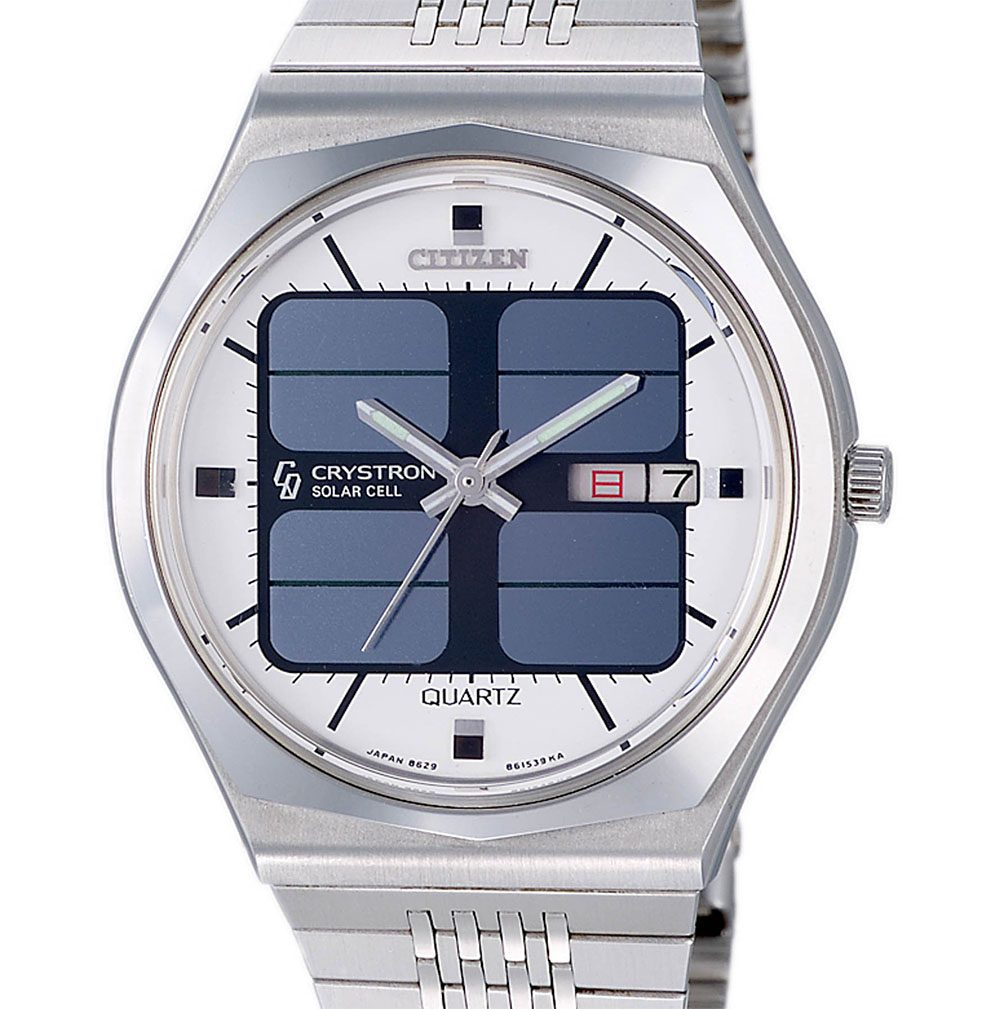
The Citizen Quartz Crystron Solar Cell was the world’s first analog quartz watch powered by solar energy. It paved the way for the famous Eco-Drive technology, which collects power from any light source—natural or artificial—and stores it in a battery. With a full charge, it can run for over six months!

1978

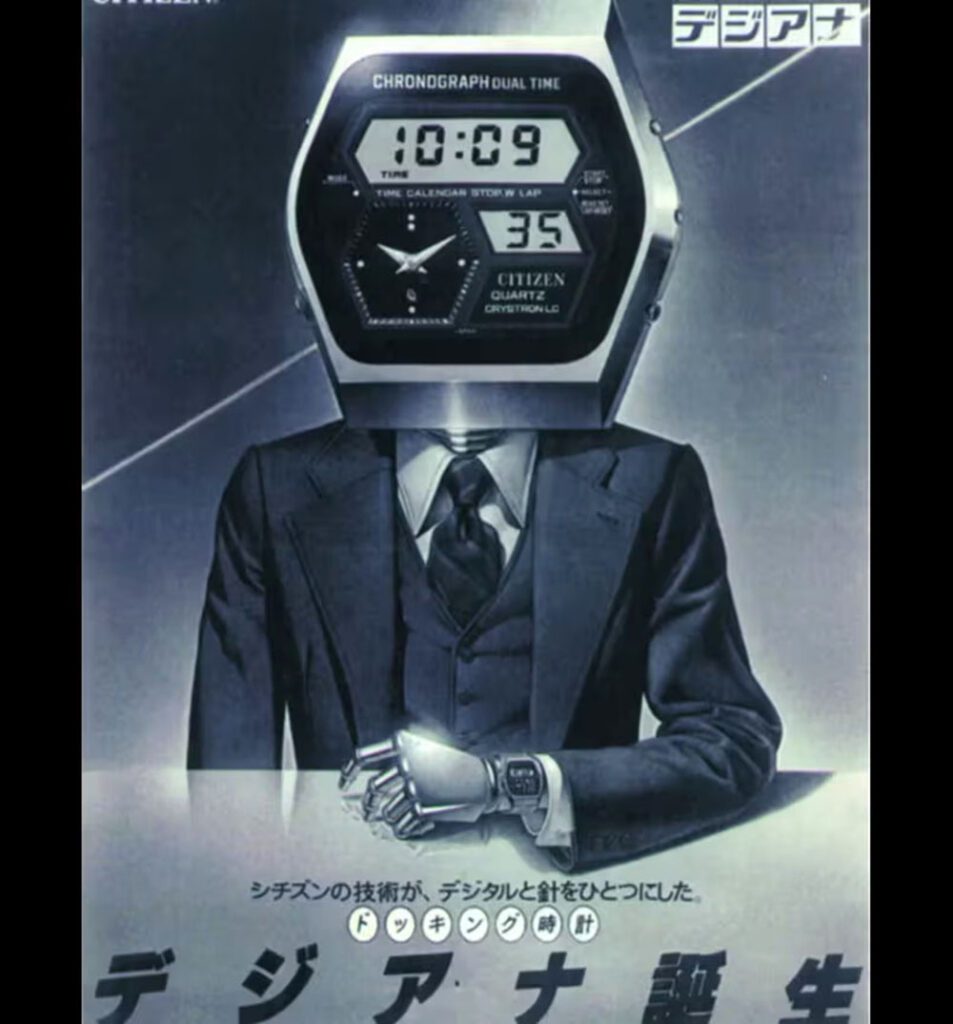
The Citizen Quartz Digi-Ana Citizen Quartz Digi-Ana was the first watch to combine analog and digital displays, selling over a million units.

1982

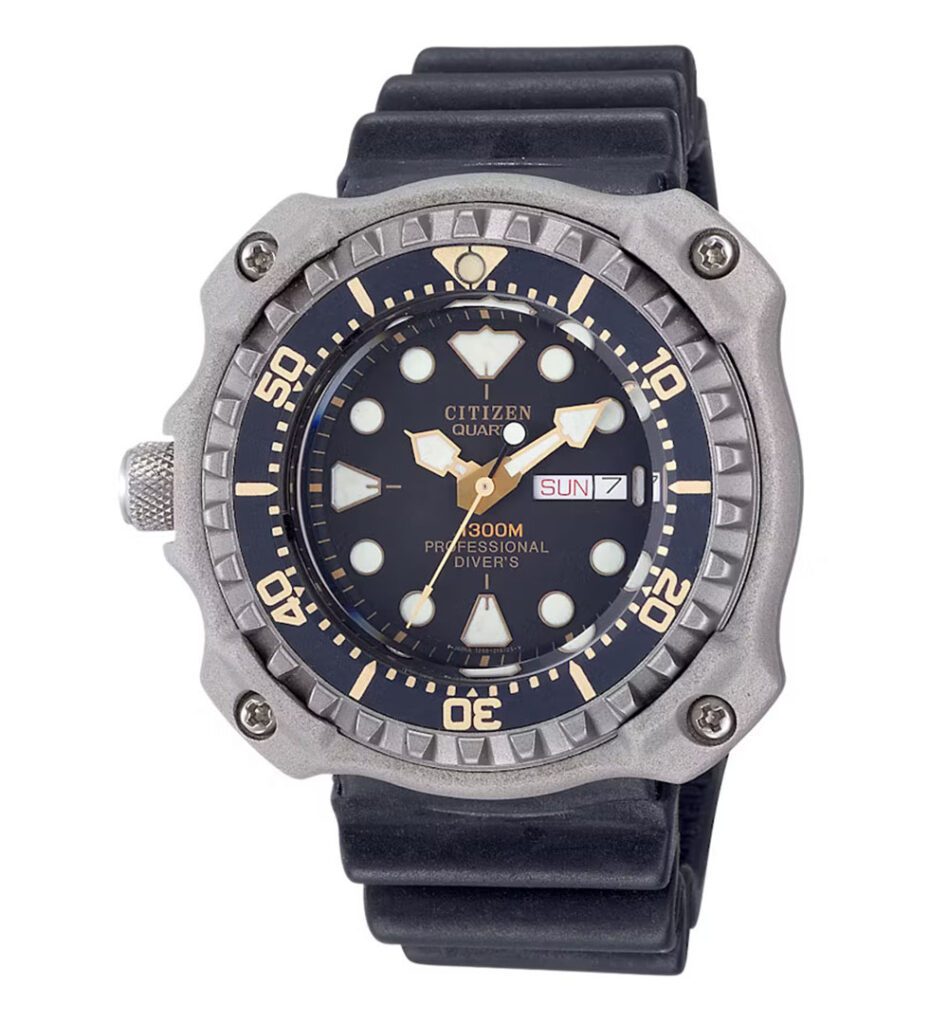
The Citizen Professional Diver was the first quartz diving watch water-resistant to 1,300 meters.

1984

Record production levels. Citizen’s automated production lines overwhelmed the Swiss watch industry by the late 1970s. Embracing quartz technology early (since 1969), Citizen invested heavily in mass automation. By 1984, it was producing more watches than any other company in the world.

1987

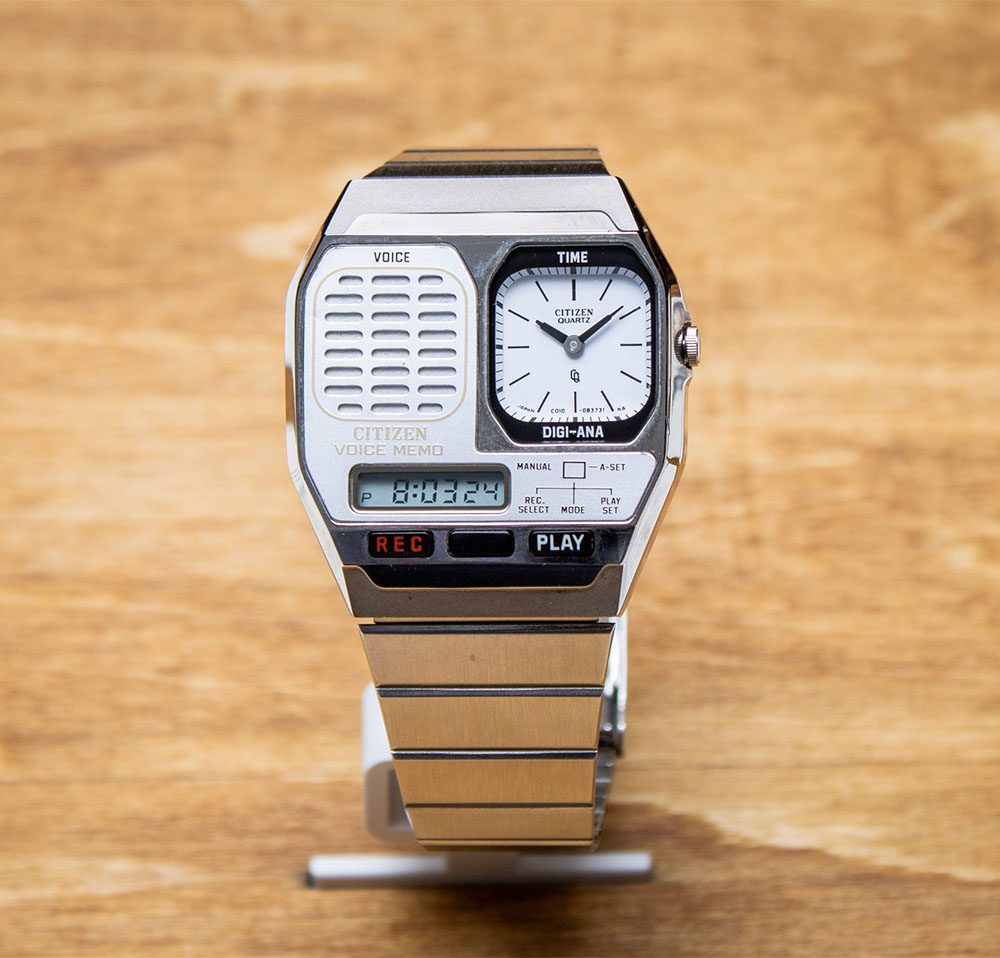
The Citizen Voice Memo was the first digital quartz watch with voice recognition and voice memo recording capabilities.

1989

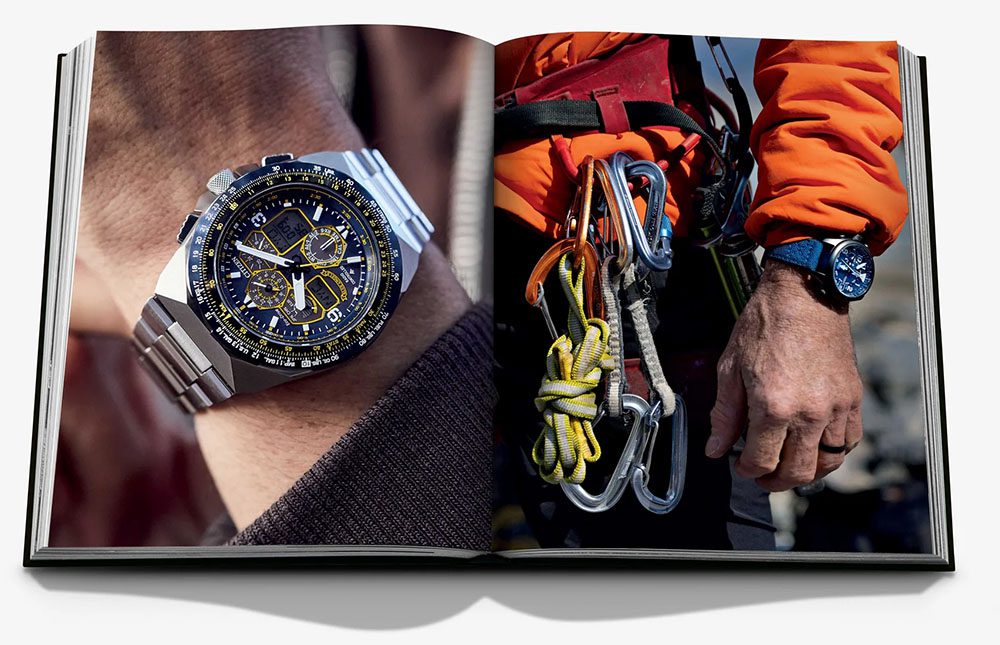
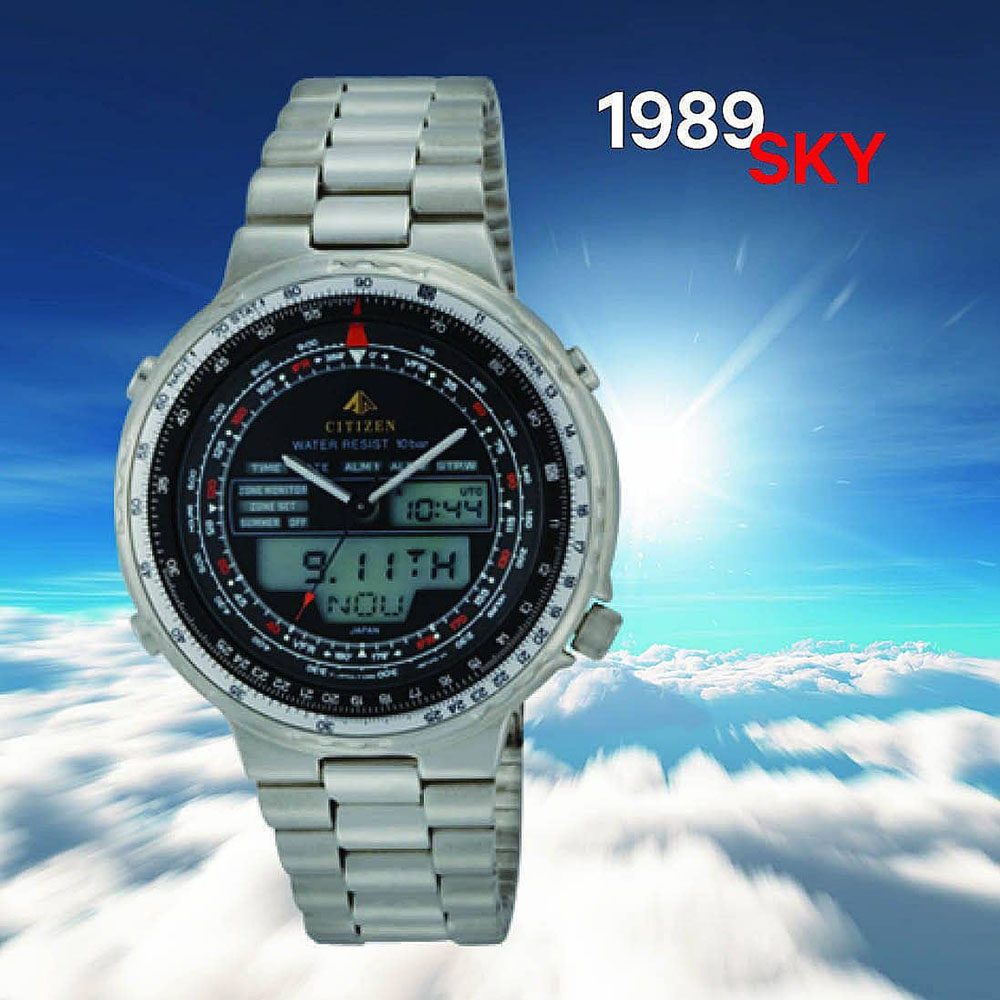
The launch of the Citizen Promaster collection—rugged, reliable, professional-grade “tools” for divers, pilots, athletes, and outdoor enthusiasts. It remains a cornerstone of the brand today.

1989

Promaster models introduced integrated altitude and atmospheric pressure sensors for the first time.

1993

The Citizen Radio Controlled was the world’s first radio-controlled watch with an integrated antenna.

Today

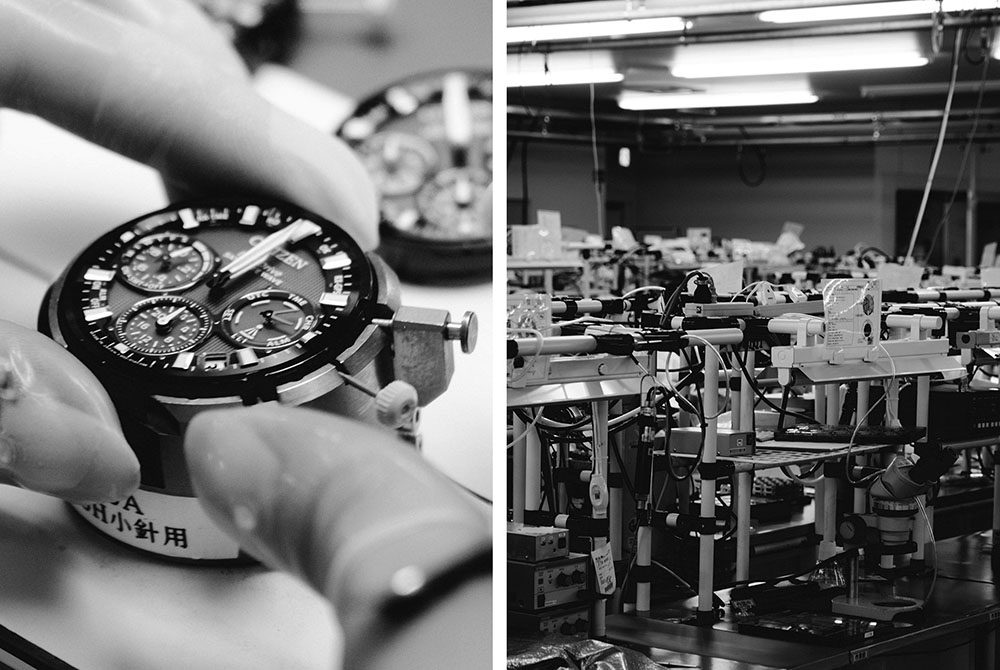
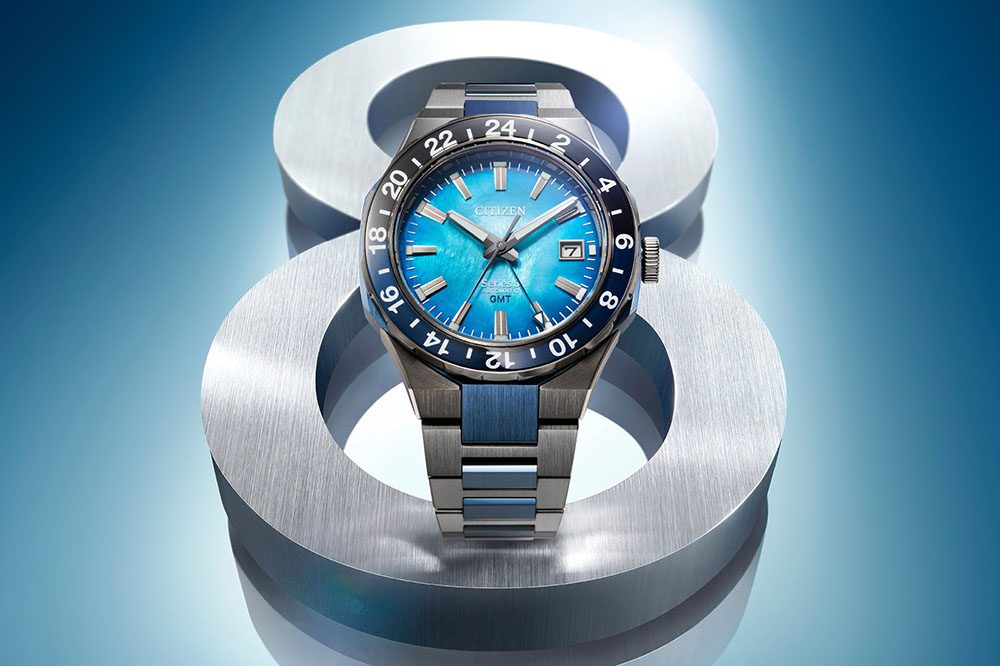
As one of the largest watchmakers in the world, Citizen now offers one of the most extensive ranges of wristwatches, covering design, mechanical expertise, and cutting-edge technology. They manufacture everything in-house!

CITIZEN

Exclusive Agent: PAC TIME International

Explore More

Previous
Next
Subscribe